

Durable Audio Gear for Outdoor Athletes: 2026 Guide
Table of Contents
- Quick Comparison: Durable Audio Gear for Outdoor Athletes
- How We Evaluated Outdoor Audio Gear
- 1. Bluetooth Sleep Headband: Best for Sweat-Heavy Workouts and Sleep
- 2. Mini Retro White Noise Bluetooth Speaker: Best for Post-Run Recovery
- 3. Mini SLR-Shaped 1080P Pocket DV Camera: Best for Capturing Outdoor Sessions
- Best Rugged Headphones for Running: What to Look For
- Durable Audio Gear Maintenance Tips for Long-Term Performance
- How to Clean Sweat-Resistant Earbuds and Headbands
- Which Durable Audio Gear Should You Pick?
- Frequently Asked Questions
Last Updated: September 13, 2026

Quick Comparison: Durable Audio Gear for Outdoor Athletes
This guide from Electro Gift Shop covers three pieces of durable audio gear for outdoor athletes that can withstand tough conditions, plus maintenance habits that extend their life.
If you want the short version, here it is. The Bluetooth Sleep Headband is the best pick for sweat-heavy workouts and sleep. The Mini Retro White Noise Bluetooth Speaker wins for post-run recovery and campsite downtime. The Mini SLR-Shaped Pocket DV Camera is the one to grab when you want footage of the session, not just a soundtrack.

Durable audio gear is audio equipment built with sweat-resistant materials, reinforced housings, and battery systems that tolerate repeated charging cycles in humid conditions. The three products below were chosen against that definition, not against a spec sheet.
| Product | Price | Battery | Best For | Durability Angle |
|---|---|---|---|---|
| Bluetooth Sleep Headband | $8.99 | 10 hours | Sweat-heavy workouts, sleep | Washable sweat-wicking fabric |
| Mini Retro White Noise Speaker | $37.99 | 4-6 hours | Post-run recovery, camping | Compact housing, 498g |
| Mini SLR-Shaped Pocket DV Camera | $29.99 | 180mAh standby | Capturing outdoor sessions | Pocket-size, loop recording |
How We Evaluated Outdoor Audio Gear
We evaluated each product on five things: moisture resistance, impact survival, battery behavior in real use, control usability with wet or gloved hands, and long-term maintenance burden. We focused on aspects that are important for outdoor durability, considering factors like sweat, dust, and temperature swings.
Moisture resistance. We looked for sealed housings, port covers, and sweat-wicking fabrics rather than vague "waterproof" labels. We checked whether each device has a physical barrier at the port and whether the materials resist salt corrosion.
Impact survival. Outdoor gear gets dropped, stuffed into hydration vests, and knocked against rocks. We assessed housing rigidity, weight distribution, and whether accessories like cables or mounts add snag points.
Battery behavior. We matched runtime to realistic session lengths, then added a margin. A 10-hour headband covers a week of short workouts; a 4-to-6-hour speaker needs a power bank for multi-day trips. We also considered charging-port durability, since that is the number one failure point on portable audio gear.
Control usability. Physical buttons beat touch panels when your hands are wet or gloved. We tested whether volume, track skip, and call controls work without looking, because mid-run adjustments should not break your stride.
Maintenance burden. Gear that is easy to clean and dry lasts longer. We favored designs with removable speaker modules, washable fabrics, and accessible grilles over sealed units that trap moisture and odor.
Every product here is compact enough for a gym bag or hydration vest, and each one earns its place by solving a specific problem rather than trying to do everything. The evaluation criteria above are also the basis for the maintenance protocols later in this guide, because durability is as much about care as construction.
1. Bluetooth Sleep Headband: Best for Sweat-Heavy Workouts and Sleep
The Bluetooth Sleep Headband is the strongest option for anyone who sweats heavily during training. Instead of earbuds that shift and clog with moisture, it uses ultra-thin HD stereo speakers built into soft, breathable, sweat-wicking fabric. The headband sits flat against your head, so it stays put through running, cycling, and gym sessions.
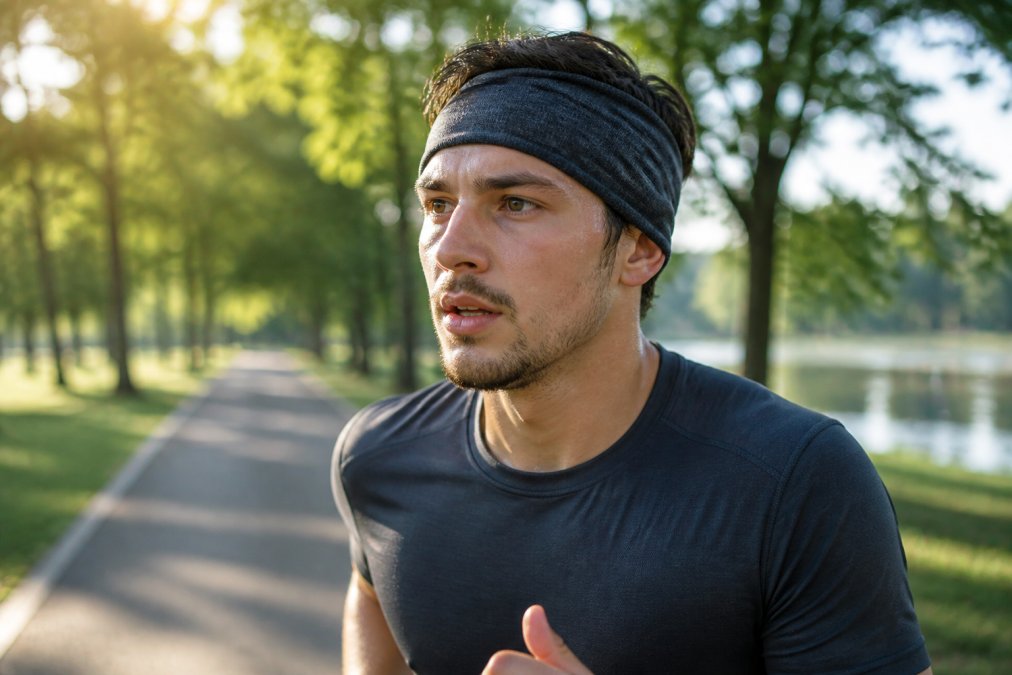
Bluetooth 5.0 handles pairing with your phone or tablet, and the on-band controls let you adjust volume, skip tracks, and take calls without pulling out a device. Battery life runs up to 10 hours on a single charge, which covers a week of short workouts or a full night of sleep listening. At $8.99, it is also the lowest-cost entry into serious outdoor audio.
Pros and Cons
What works: The fabric design eliminates the pressure points and ear fatigue that earbuds cause on long sessions. The sweat-wicking material is genuinely comfortable for extended wear, and the headband doubles as a sleep mask for travel.
What doesn't: Sound isolation is minimal by design, so you will hear ambient noise on a busy road. The fabric needs regular washing, and if you skip that, the speakers pick up odor and the fit loosens.

2. Mini Retro White Noise Bluetooth Speaker: Best for Post-Run Recovery
If your priority is unwinding after a hard session, the Mini Retro White Noise Bluetooth Speaker is the better fit. It pairs a vintage look with Bluetooth 5.0, AUX input, and TF card support, and it pushes 360-degree surround sound from a 5W output. The 1500mAh battery delivers 4 to 6 hours of playback and recharges in 2 to 3 hours over USB.

The feature that separates it from a generic portable speaker is the built-in white noise mode. Four nature sounds (ocean waves, crackling bonfires, insects and birds, flowing streams) give you a way to wind down without hunting for a playlist. RGB ambient lighting rotates with the music, and a screen-off function stops glare at night.
At 142 x 153 x 67 mm and 498g, it fits in a pack side pocket. Connection range is within 10 meters, which is plenty for a campsite or a recovery corner of the gym.
Pros and Cons
What works: The combination of music playback, nature sounds, and ambient lighting covers recovery, sleep, and campsite use in one unit. The white noise mode is the standout, and the retro housing looks intentional rather than cheap.
What doesn't: 4 to 6 hours is shorter than the headband's 10, so multi-day trips need a power bank. The 5W output suits a tent or a small room, not a group gathering.

3. Mini SLR-Shaped 1080P Pocket DV Camera: Best for Capturing Outdoor Sessions
Audio gear only tells half the story. The Mini SLR-Shaped 1080P Pocket DV Camera captures the session itself in Full HD 1080P, with an SLR-style body that fits in a pocket or on a keychain. It is the piece to reach for when you want proof of the trail, the climb, or the ride.
The 0.96-inch display screen lets you review footage on the spot instead of guessing whether the shot landed. One-click recording keeps the controls simple, and eight shooting filters add variety without editing software. Loop recording with an 8-128G SD/TF card (card not included) automatically overwrites old footage when storage fills, so you always keep the most recent clips.
The 180mAh built-in battery provides long standby time, which matters more than continuous runtime for a camera you pull out in bursts. At $29.99, it is a low-risk way to document outdoor sessions without carrying a full-size action camera.
Pros and Cons
What works: The pocket-size SLR shape is genuinely portable, and the display screen solves the biggest problem with mini cameras, which is not knowing what you captured. Loop recording means you never manage storage mid-session.
What doesn't: 1080P is the ceiling, so this is not a 4K tool. The 180mAh battery is built for standby and short clips, not continuous recording.

Best Rugged Headphones for Running: What to Look For
The best rugged headphones for running prioritize sweat resistance, a secure fit, and controls you can operate while moving. Sound quality matters, but it comes second to whether the gear survives the session. Most buying guides stop at those three points. This one goes further: the real differentiator is how the gear handles the weeks after purchase, when sweat residue, UV exposure, and repeated charging cycles decide whether it lasts a season or three.
Moisture handling and corrosion resistance. Look for sweat-wicking fabric or sealed housings with covered ports. Open ports and exposed charging contacts fail first because salt from sweat accelerates corrosion on metal pins (PubMed). A headband with washable fabric lets you remove residue entirely; earbuds with fixed grilles trap it. If you run in coastal humidity or rain, prioritize designs where the speaker module can be separated from the fabric for cleaning.
Fit security under motion. Gear that shifts mid-run forces constant adjustment and creates pressure points. Headbands and over-ear hooks beat loose earbuds for trail running and cycling because they distribute pressure across a wider area. Test fit with a hat or helmet if you wear one, since added layers change how a headband sits.
Battery life and charging behavior. Match runtime to your longest session, then add a margin. Ten hours covers most weekly training blocks. A single weekly charge often covers a training schedule and reduces port wear.
Control access with wet or gloved hands. Physical buttons beat touch panels when your hands are wet or gloved. On-band controls that you can find by feel let you adjust volume or skip tracks without breaking stride.
Maintenance and longevity protocols. This is the gap most guides miss. Rinse sweat from fabric headbands weekly with cool water and mild detergent, then air dry flat away from direct heat. For earbuds and speaker grilles, brush dried sweat from the grille with a soft dry toothbrush and clean charging contacts with a dry cotton swab. Store gear in a breathable pouch rather than a sealed plastic bag, because trapped moisture is worse than open air (iec.ch). Rotate charging rather than topping up daily, and let devices reach room temperature before plugging in after a cold or hot session.
The Bluetooth Sleep Headband meets these criteria well. Its sweat-wicking fabric handles moisture, the headband fit stays put, the 10-hour battery outlasts any single session, and the on-band controls work without looking. The maintenance protocols above can help maintain its performance.
Durable Audio Gear Maintenance Tips for Long-Term Performance
Consistent habits can help extend the life of your gear.
Daily Care Habits
Wipe down every device after each session. Sweat carries salt, and salt corrodes metal contacts, speaker grilles, and charging pins. A dry microfiber cloth takes ten seconds and removes the residue before it sets.
Charge in a dry environment. Plugging a damp device into a cable pushes moisture into the port, which is exactly where corrosion starts. Let the device reach room temperature and dry fully first (iec.ch).
Do not store gear in a gym bag while damp. Trapped moisture in a closed bag is worse than open air, because it has nowhere to evaporate.
Storage and Transport
Keep each device in its own pouch or compartment. Cables and keys scratch housings and snag fabric, and a scratched housing is a weaker housing.
For the headband, fold it loosely rather than compressing it. Repeated sharp folds stress the internal speaker wiring.
For the speaker and camera, remove accessories before packing. The camera's SD/TF card should sit in a dedicated slot, not loose in a bag where it can be lost or damaged.
How to Clean Sweat-Resistant Earbuds and Headbands
Cleaning sweat-resistant earbuds and headbands takes about five minutes and should happen weekly, or after any heavy session. Skip it and you get odor, degraded sound, and fabric that loses its stretch.
For the Bluetooth Sleep Headband:
- Remove the speaker module if the design allows, and set it aside.
- Hand wash the fabric in cool water with a drop of mild detergent.
- Rinse thoroughly until no soap remains, since residue attracts dirt.
- Press the fabric between towels to remove water. Never wring it.
- Air dry flat, away from direct heat and sunlight.
For earbuds and speaker grilles:
- Brush the grille with a soft dry toothbrush to lift dried sweat and dust
- Wipe the housing with a barely damp cloth, never a wet one
- Clean the charging contacts with a dry cotton swab
- Let everything air dry completely before charging or storing
Which Durable Audio Gear Should You Pick?
Pick based on your primary activity, not on which product has the longest feature list. The three options here solve different problems, and buying for the wrong one wastes money.
- Sweat-heavy training and sleep: Bluetooth Sleep Headband at $8.99. The washable sweat-wicking fabric and 10-hour battery make it the clear pick.
- Recovery, camping, and downtime: Mini Retro White Noise Speaker at $37.99. White noise, ambient lighting, and 360-degree sound in one compact unit.
- Documenting sessions: Mini SLR-Shaped Pocket DV Camera at $29.99. Pocket-size 1080P capture with a display screen and loop recording.
If you train hard and want footage, the headband and camera together cover both needs for under $40. That combination handles the soundtrack and the record of the session without either device compromising on durability.
Outdoor athletes put gear through conditions that desk-bound devices never face. Electro Gift Shop stocks gear designed with this in mind: the Bluetooth Sleep Headband with its sweat-wicking fabric and 10-hour battery, the Mini Retro White Noise Bluetooth Speaker with nature sounds and 360-degree output, and the Mini SLR-Shaped Pocket DV Camera with pocket-size 1080P capture. Each one is portable, lightweight, and designed for use through sweat, travel, and repeated use. Get started with Electro Gift Shop and find audio gear that enhances your daily life.
Frequently Asked Questions
What features make audio gear truly durable for outdoor sports?
Look for an IP waterproof rating (IPX4 or higher resists sweat and rain), impact-resistant materials, and secure-fit designs that stay put during movement. Battery life matters too: the Bluetooth Sleep Headband offers 10 hours of playtime, enough for long training sessions. Weatherproof housing and reinforced connectors also protect against dust and moisture. Prioritize gear with a track record of surviving drops, sweat, and temperature swings rather than just looking rugged.
How do I choose the best rugged headphones for running?
Focus on fit, sweat resistance, and battery life. Over-ear hooks or headbands stay secure better than loose earbuds. The Bluetooth Sleep Headband uses sweat-wicking fabric and built-in speakers, so there are no earbuds to fall out. Check the waterproof rating (IPX4 or above), confirm at least 8 hours of battery, and test the controls with sweaty hands. If you run in rain or extreme heat, prioritize weather-resistant materials over premium sound specs.
What is the difference between water-resistant and waterproof audio gear?
Water-resistant gear handles splashes, sweat, and light rain but should not be submerged. Waterproof gear can survive full immersion, usually rated IPX7 or IPX8. For outdoor athletes, water-resistant is often enough for running and cycling. If you swim or train in heavy rain, choose waterproof. Check the IP rating on the product page: the first digit is dust protection, the second is water. A higher second digit means better water protection.
How to maintain audio equipment used in harsh outdoor environments?
Wipe gear with a dry microfiber cloth after every session to remove sweat and grit. For earbuds or headbands, use a slightly damp cloth with mild soap, then air dry completely before charging. Store in a hard case or padded pouch to prevent impact damage. Avoid leaving gear in direct sun or extreme cold. Check charging ports for corrosion monthly. Following durable audio gear maintenance tips like these extends product life and keeps audio clarity consistent.
Are waterproof speakers necessary for outdoor athletic training?
Not always. If you train in dry conditions or light sweat, a water-resistant speaker (IPX4 or IPX5) works fine. The Mini Retro White Noise Bluetooth Speaker handles outdoor use with a 1500mAh battery and 4-6 hours of playtime, enough for most workouts. Choose waterproof (IPX7+) only if you run in heavy rain or near water. For most outdoor athletes, water-resistant is the practical choice.